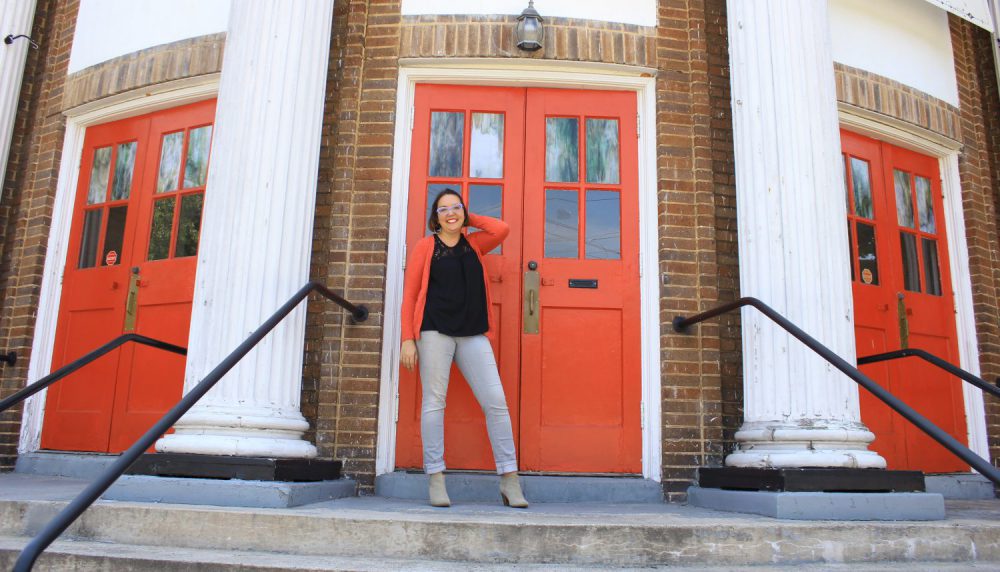
This post is my contribution to the second day of the Feminism Fest, a conversation on feminism, specifically Christian Feminism and what in the world that means. At the bottom of this post are the links and prompts to read more about this, or maybe even enter into the conversation yourself.
It was my husband who pointed out how messed up my thinking was. He does that often, questions my thoughts, asks me to clarify, wants me to explain how and what I think. He is in PhD school, sitting in a room discussing rhetorical frameworks and theories as I turn off Ponies and tuck our daughters into bed. They say that iron sharpens iron, as his ideas sharpen, I too am challenged to refine mine.
I was talking about our church. How much I love it, how it feels like family, and how hard it is for me that currently they do not consider women as candidates to be elders. I was talking about raising our daughter in a space where they are told they are unfit to serve in certain capacities just because they are girls. I was wondering if there would ever come a day when we would leave in search of a place that could affirm all the gifts my girls might have.
Perhaps it is me projecting. My girls are, after all, only one and two. But they are loud like their mama and unafraid to tell people what they think. They are bold and strong and (as my friend likes to remind me when I am about to lose it) strong self advocates. Already all of this at one and two. I worry that, like me, they will have a strong mother who tells them they can do anything, but internalize the subtle teachings of a culture that tells them they are not gentle or quiet enough.
I was lamenting all of these things and more at my dining room table, when my husband reminded me that he needs feminism too. That feminism doesn’t just benefit his wife and his daughters, but ensures everyone the space to be who God has designed them to be, how God has designed them to be. While women are explicitly kept from their calling and this hurts them deeply, men are also implicitly denied their complete image in God.
It is easy for me to think of feminism in the context of what it does for women. I am the youngest of three sisters, the mother of two daughters, the aunt of four nieces. No boys to speak of in two generations. Not just yet anyway. But I hadn’t yet considered the implications of feminism on the boys I believe are coming, or on the husband I already have.
Men and boys need feminism too. In a world where the woman is always following, the man has to lead, even when he doesn’t know where he is going. In a world where the woman waits for the man to speak, the man is expected to always hear from God. If he is always to protect, who does he lean on when he is scared?
As patriarchy draws boxes around the places girls can go, it discourages boys from space God intended for them too.
It is easy to assume that no one wants you to help in the nursery if you are never asked because you are a man. If you have never seen someone of your gender rocking a baby, it is easy to think you aren’t supposed to want to, even if your arms ache for the holding. It is hard to discover your God-given-gifts in the kitchen if you are shooed away in the name of ‘women’s work.’ If you desire things that are presented as lesser (though often with the words separate or different) it is not very many steps from wondering if you are less of a man.
I have some loud and opinionated girls, like their mother. What if I end up with some thoughtful boys, like their dad? Will they be told they are not enough if they play with dolls, or read books quietly? Much like I got the impression that I was not what God wanted because I did not fit a tight explanation of femininity, my husband was left to question if he could really call himself a man of God. Was I gentle and quiet enough, was he mighty enough? Were any of us enough for God?
And that is why it matters. It is why we still desperately need feminism. Feminism says that you are enough, exactly how you are, regardless of who says what about the way you are supposed to be.
I think that is what God says too. He says we are enough the way that He made us, even when He made us to not fit into the boxes.
 1
1Prompts and links:
- {Day 1} Feminism and Me: On Tuesday, February 26, link up at J.R. Goudeau’s blog, loveiswhatyoudo.com, and write about these questions: What is your experience with feminism? What’s a story or a memory or a person that you associate with that word? Why does it have negative or positive connotations for you? How do you define the term, either academically or personally? What writers have you read whose definitions you want to bring out? Or, if you don’t have a definition, what are some big questions you have?
- {Day 2} Why It Matters: On Wednesday, February 27, link up at Danielle Vermeer’s blog, fromtwotoone.com, and write about these questions: What is at stake in this discussion? Why is feminism important to you? Are you thinking about your children or your sisters or the people that have come before you? Or, why do you not like the term? What are you concerned we’re not focusing on or we’re losing sight of when we talk about feminism? Why do you feel passionately about this topic?
- {Day 3} What You Learned: On Thursday, February 28, link up at Preston Yancey’s blog, seeprestonblog.om, and write about these questions: What surprised you this week? What did you take away from the discussion? What blog posts did you find particularly helpful? What questions do you still have?
 Abby Norman